

Skip to content

Blog

The pulses guide

From lentils to chickpeas, bulgur to rice: everything you need to know about the nutrition, cooking and storage of pulses, plus wholesale buying and export.

Frequently asked questions

What are pulses?

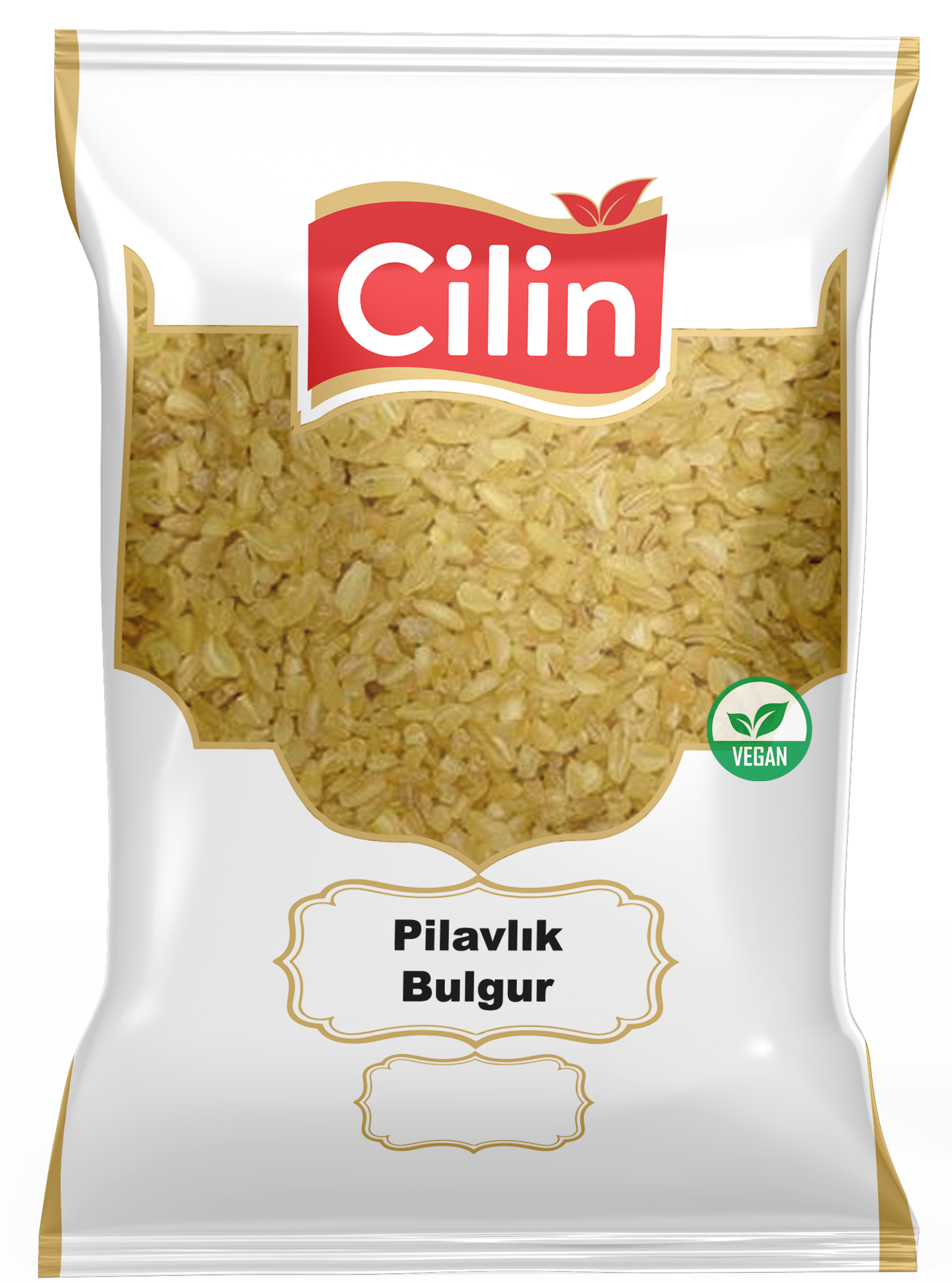
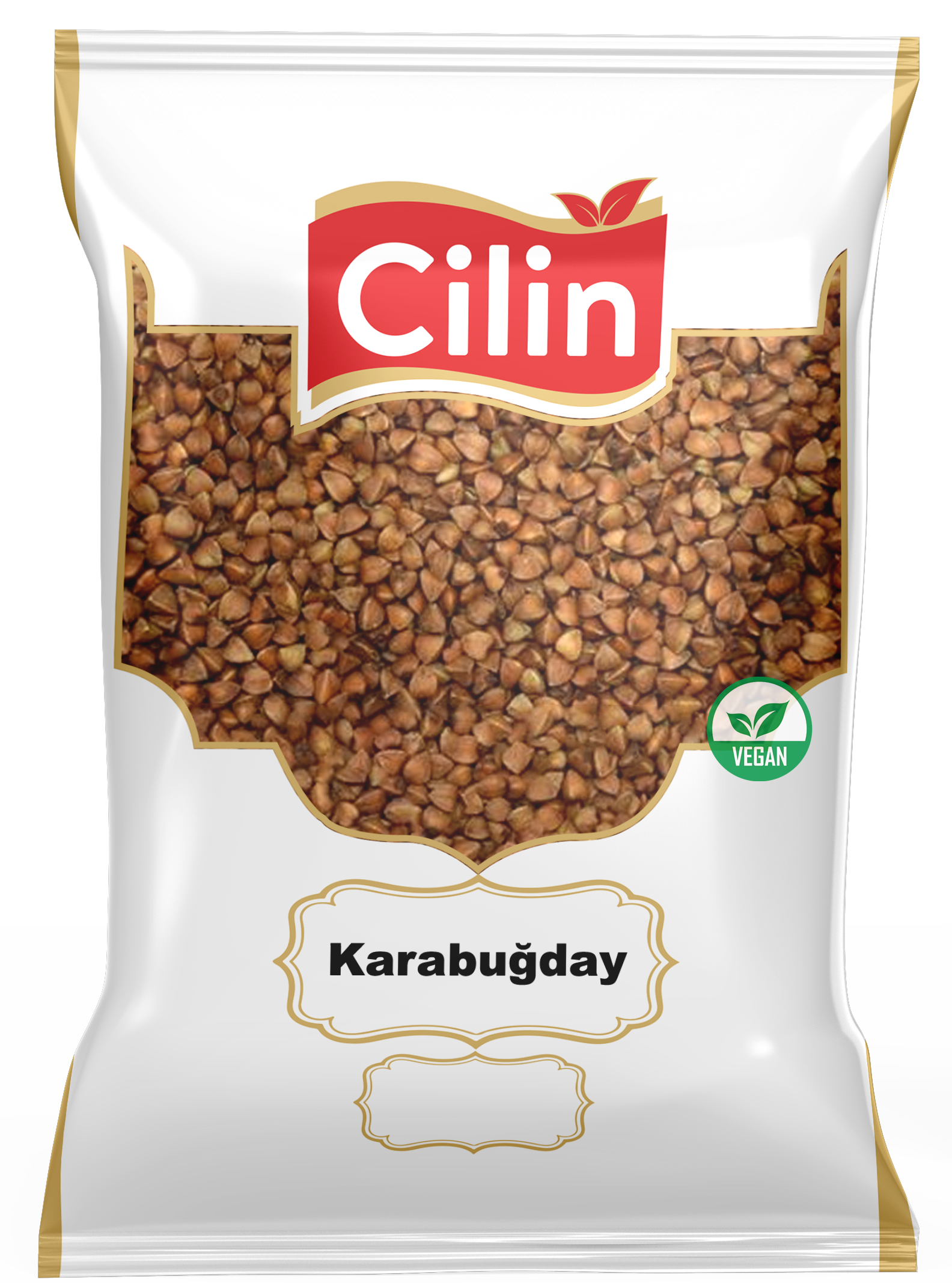
Pulses are the dried edible seeds of legume plants, such as lentils, chickpeas, dry beans, borlotti beans, fava beans and black-eyed peas. In Türkiye, bulgur and rice are traditionally sold alongside them.

What is the difference between red and green lentils?

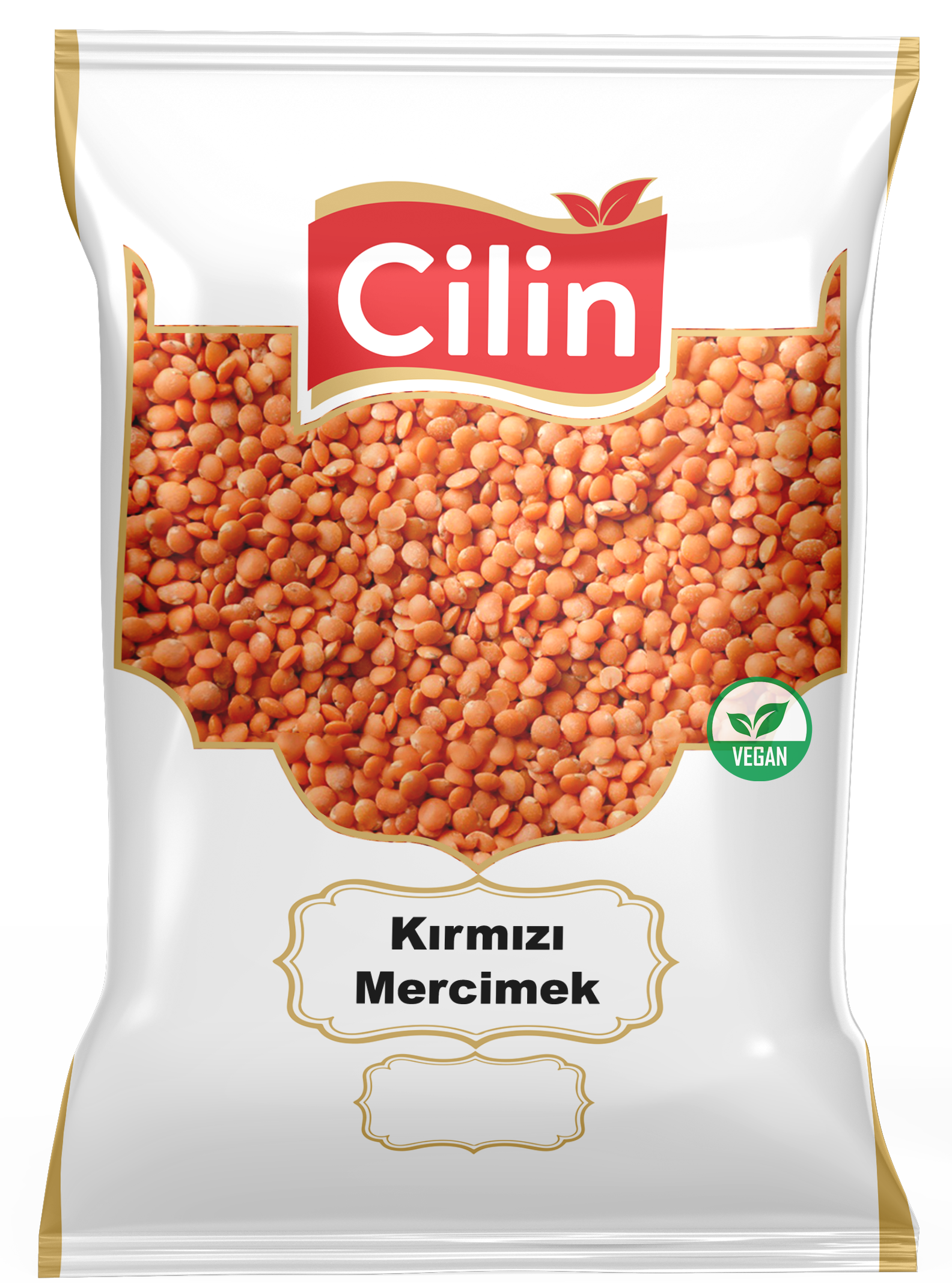
Red lentils are hulled and split, so they cook very quickly and break down, which makes them ideal for soups and kofte. Green lentils keep their skins and shape, so they suit salads and braised dishes.

What is the difference between baldo and osmancık rice?

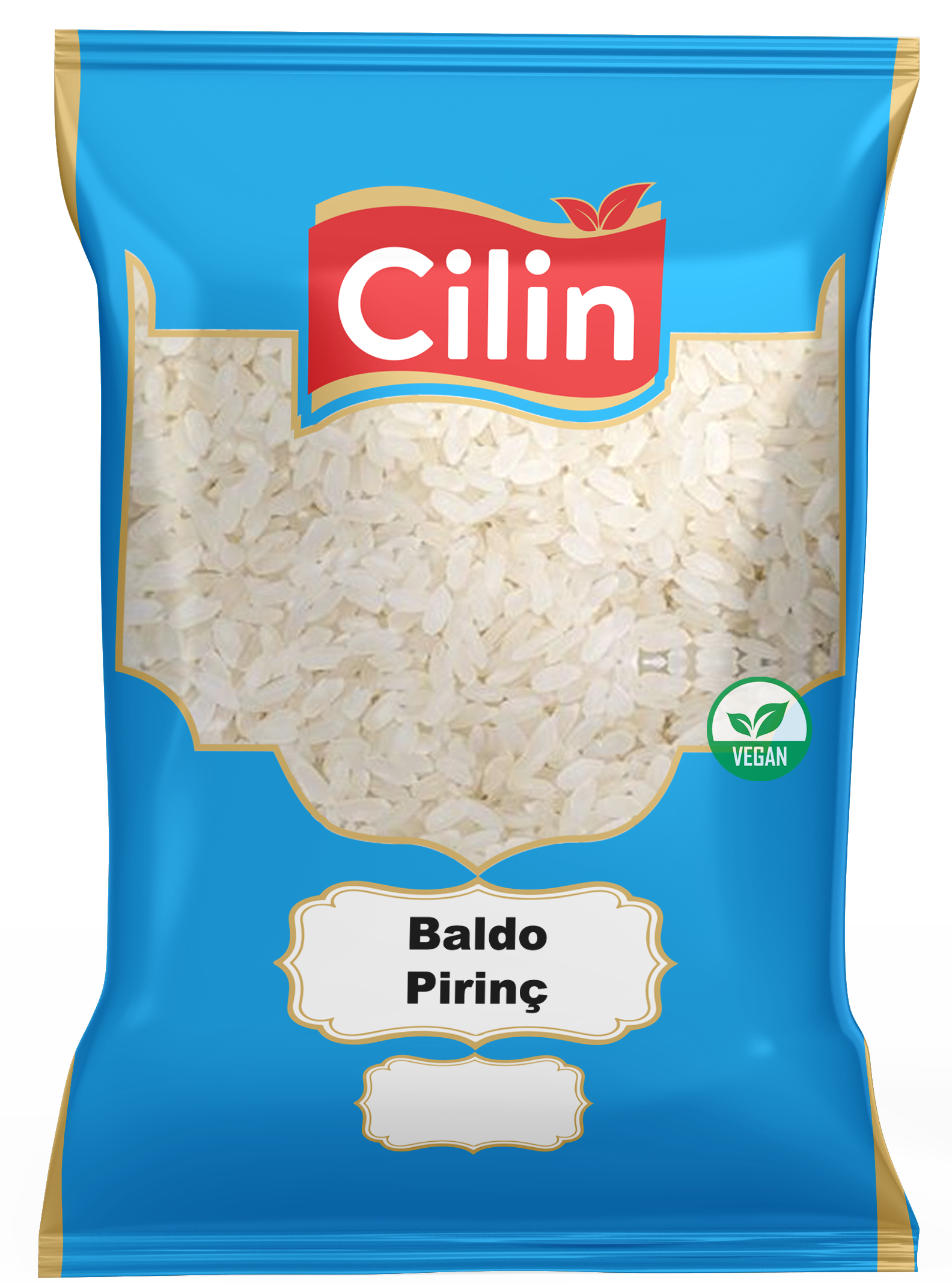
Baldo is a large-grain, high-starch rice that absorbs a lot of water and gives a soft pilaf. Osmancık is a medium-grain rice with less starch, ideal for a light, fluffy pilaf.

How should dried pulses be stored?

Store pulses in a cool, dry, dark place in airtight glass or sealed containers. Kept away from moisture, dried pulses retain their quality for a long time.

Do you supply pulses in bulk?

Yes. Reigna Gıda supplies supermarkets, wholesalers, restaurants, hotels and food service kitchens in 1 kg, 2.5 kg, 5 kg and 25 kg packs, and we export to international buyers. Use the form on our contact page for a quote.

Which certificates do your products have?

All our products are TSE and Halal certified and produced under the ISO 9001 quality management system and the ISO 22000 food safety management system.